+86 13863856861
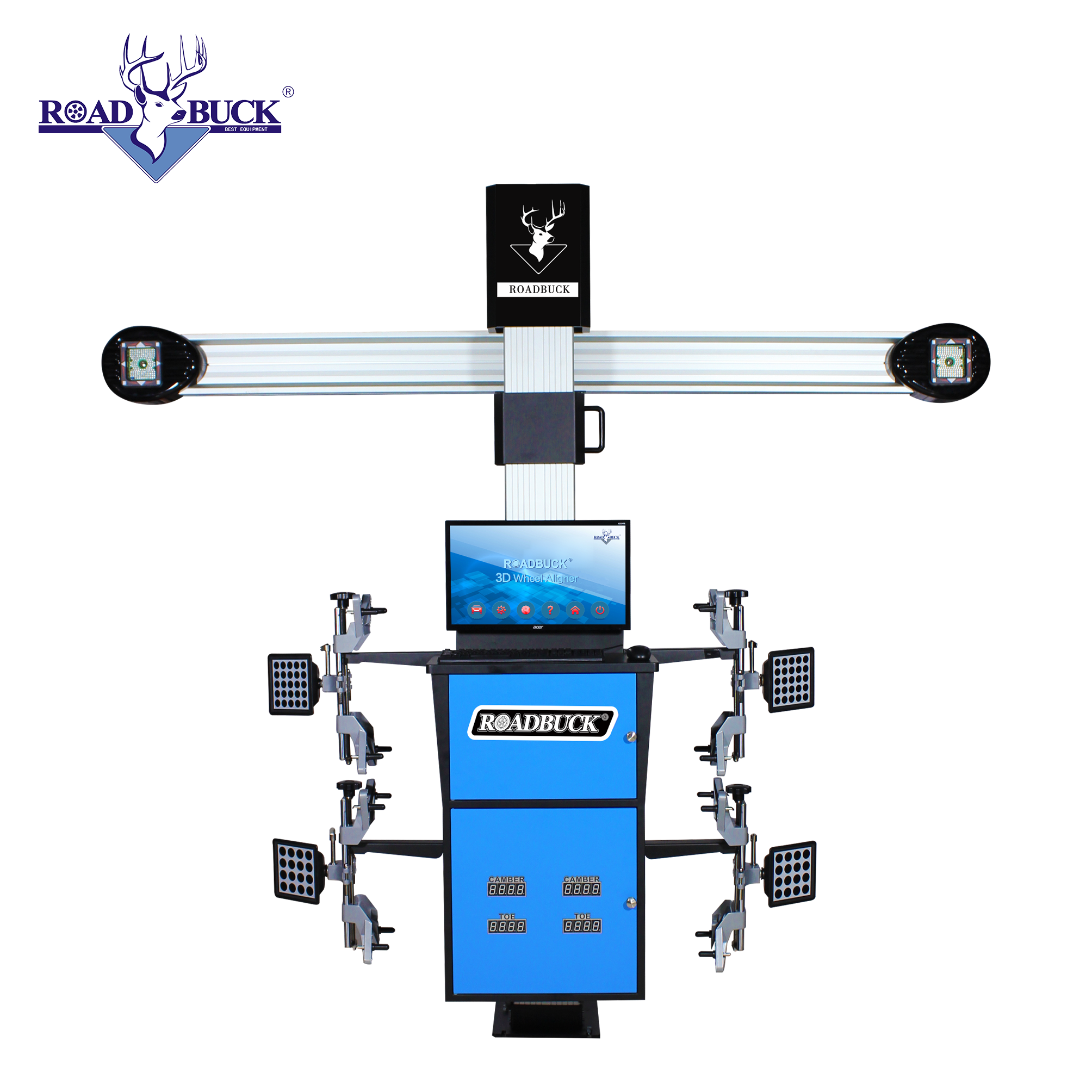
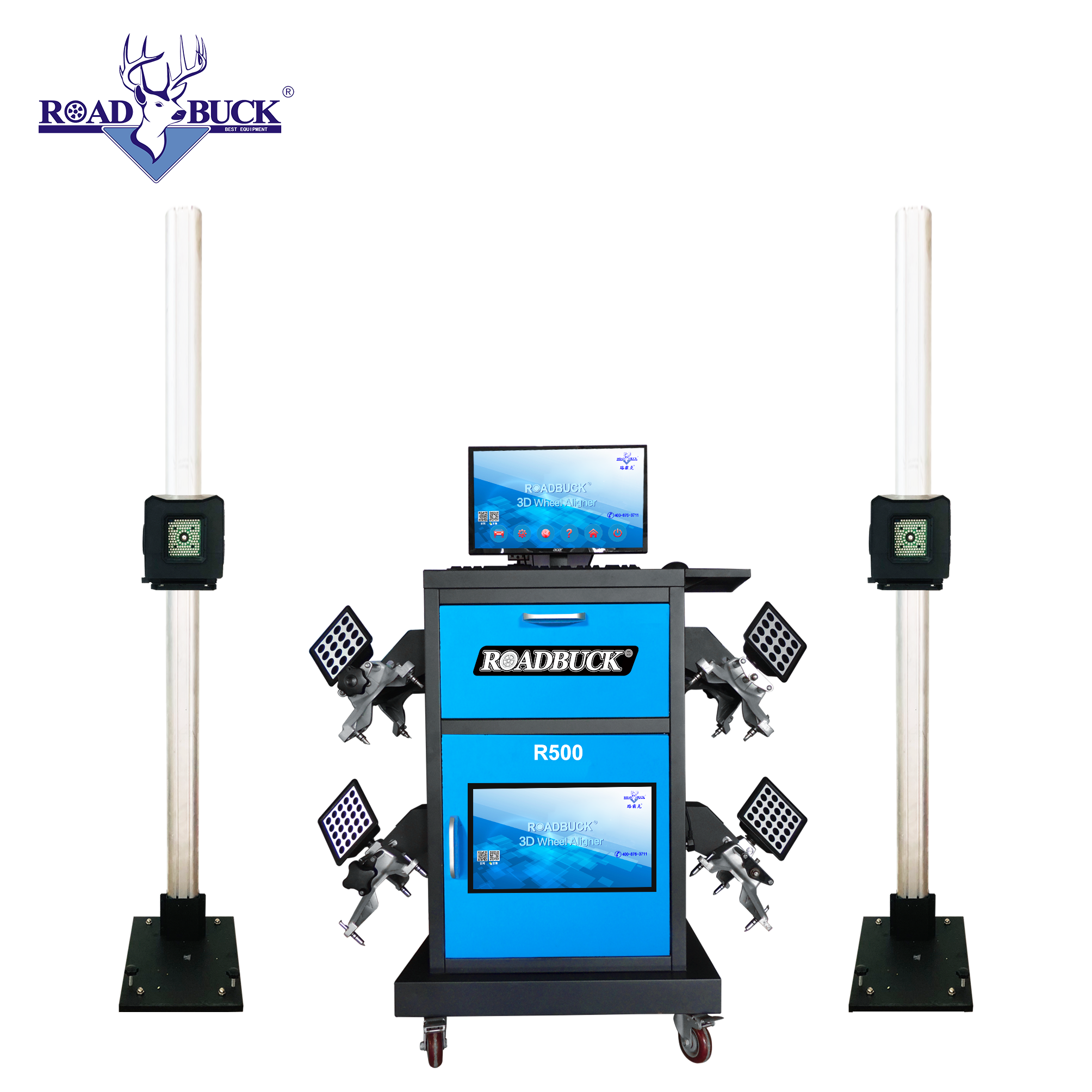
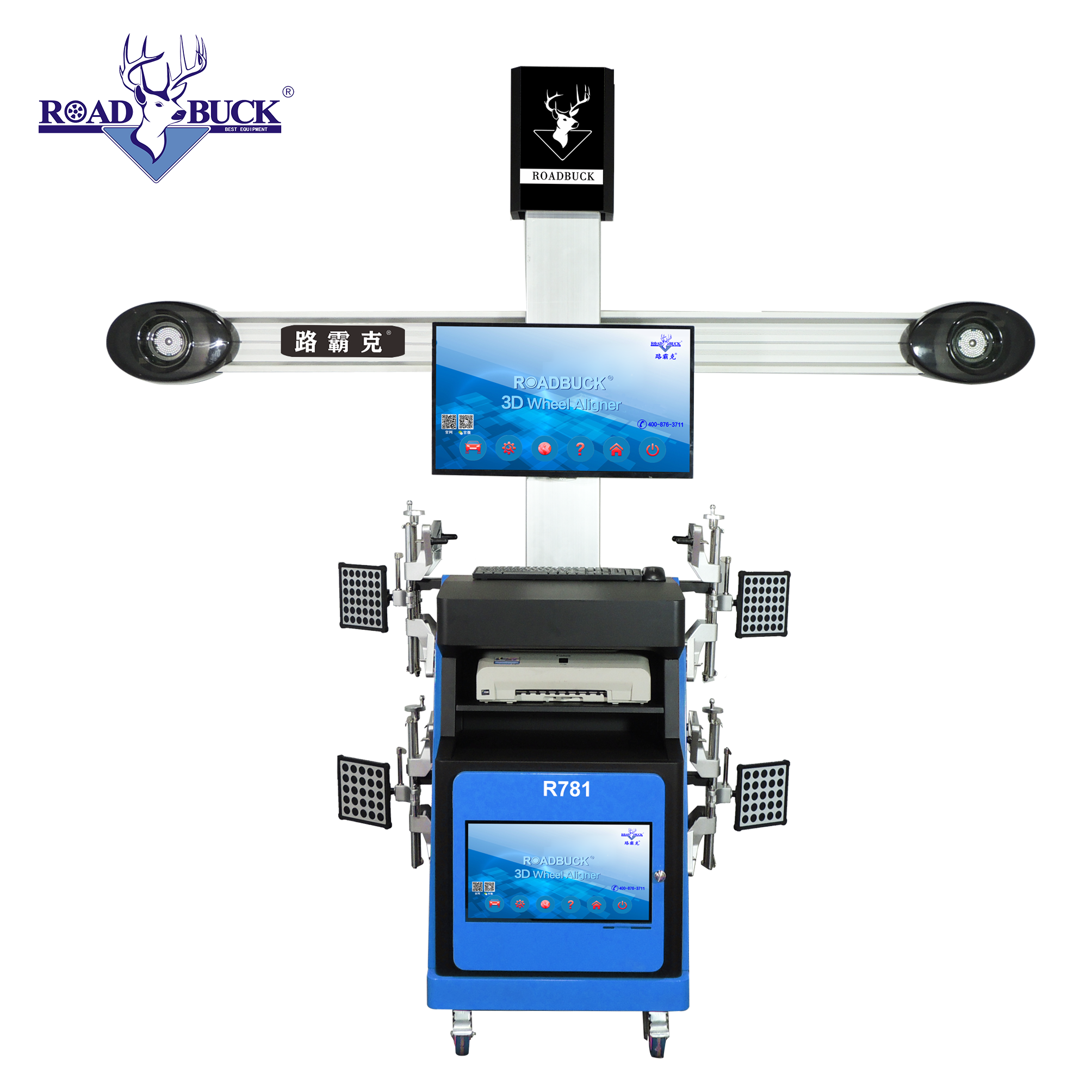
The relationship between new energy vehicles and four-wheel aligners is mainly reflected in three aspects: technical adaptability, functional demand upgrade and industry coordinated development. As a key equipment for automobile maintenance, the core role of the four-wheel aligner is to adjust the vehicle's four-wheel parameters (such as toe, camber, etc.) to ensure driving stability, tire life and handling performance. The special structure and technical characteristics of new energy vehicles (especially pure electric vehicles and hybrid vehicles) put forward new requirements for four-wheel aligners and also promote the technical iteration of equipment. Here's a breakdown:
1. Special requirements for four-wheel aligners for new energy vehicles
Battery layout affects the center of gravity:
New energy vehicle batteries are usually located at the bottom of the chassis, resulting in a lower center of gravity and a more concentrated distribution of the vehicle. This design may alter the tire force distribution, requiring higher accuracy in adjusting four-wheel alignment parameters such as camber and kingpin caster. If the positioning is inaccurate, it may aggravate tire wear or affect handling stability.
Motor drive characteristics:
Electric vehicles have faster motor torque response and more drastic changes in tire grip when accelerating. If the four-wheel alignment parameters deviate, it may cause the vehicle to deviate and shake during rapid acceleration or braking, affecting driving safety.
Lightweight and material differences:
In order to improve battery life, new energy vehicles often use lightweight materials such as aluminum alloys, resulting in changes in the rigidity of the suspension system. The four-wheel aligner needs to adapt to the elastic modulus of different materials to ensure that the adjusted parameters remain stable in long-term use.
Intelligent driver assistance systems (ADAS) rely on:
New energy vehicles are commonly equipped with ADAS functions (such as lane keeping and automatic parking), and these systems rely on accurate four-wheel positioning data. If the positioning is wrong, it may lead to sensor misjudgment and affect the safety of the assisted driving function.
2. The direction of technical upgrading of four-wheel positioners
In order to meet the needs of new energy vehicles, the four-wheel aligner needs to be upgraded at both the hardware and software levels:
High-precision sensors:
Laser or 3D imaging technology is used to improve the measurement accuracy to the millimeter level to meet the sensitive needs of new energy vehicles for parameter fine-tuning.
Dynamic Data Acquisition:
It supports dynamic measurement of the vehicle under load (such as simulating weight changes when fully loaded or when the battery is charged and discharged) to ensure that the positioning parameters match the actual usage scenarios.
ADAS Calibration Functions:
The calibration module integrates cameras, radars and other sensors to synchronously calibrate the ADAS system after four-wheel positioning adjustment to avoid functional failure due to positioning deviation.
Database Extensions:
Establish an exclusive model database for new energy vehicles, covering suspension design parameters of different brands and models, reduce manual input errors, and improve adjustment efficiency.
3. The Role in Promoting Collaborative Industry Development
Unified Maintenance Standards:
New energy vehicles (NEVs) have rapidly evolving technology. Four-wheel alignment device manufacturers need to cooperate with car companies to develop maintenance standards specific to NEV models, ensuring equipment compatibility.
Complete Training System:
Maintenance technicians need to master knowledge of NEV suspension structures, battery layouts, and other aspects. Four-wheel alignment device manufacturers should provide supporting training to improve the overall service level of the industry.
Data Sharing Ecosystem:
Through cloud data platforms, four-wheel alignment devices can upload measurement results in real-time and interact with the car companies' backend analysis systems to provide early warnings of potential faults (such as suspension deformation), promoting preventive maintenance.
Future Trends:
As the number of NEVs increases, four-wheel alignment devices will develop toward "intelligent and integrated" solutions, such as using AI algorithms to automatically recommend optimal parameters or linking with lifts and tire balancing machines to achieve one-stop maintenance services.
Summary:
The relationship between NEVs and four-wheel alignment devices is a typical example of "demand-driven technology, technology benefiting the industry." The unique structures and technical characteristics of NEVs drive four-wheel alignment devices to upgrade toward high precision and multifunctionality, while advancements in four-wheel alignment device technology ensure safe and efficient maintenance for NEVs. Their collaborative development jointly supports the automotive industry's transformation toward electrification and intelligence.
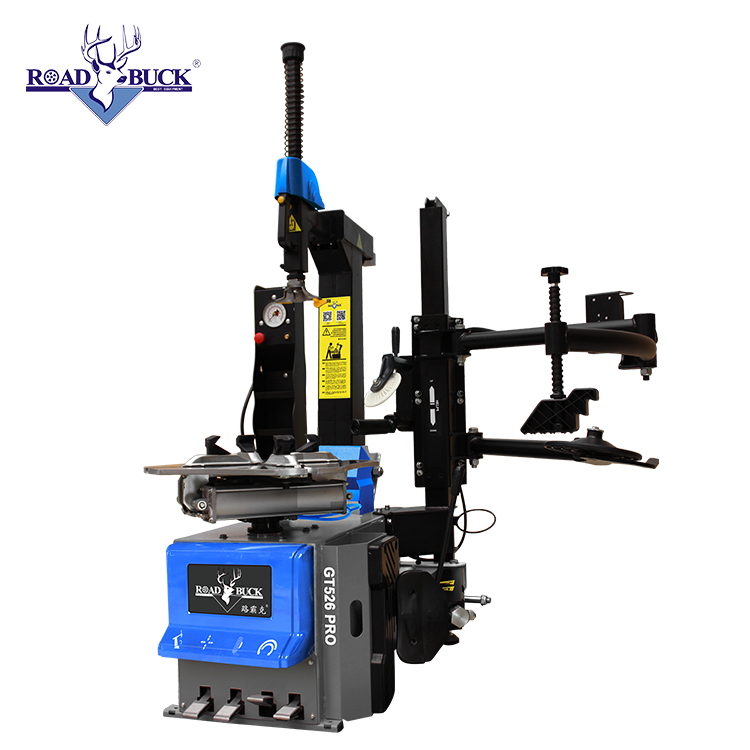
Guangdong Roadbuck Electromechanical Equipment Co., Ltd.: ROADBUCK tire removal machine, balancing machine locator is designed for users who need more high-end use needs, the product after 20 years of precipitation and development, now it is quite mature, its products are complete. Moreover, it has MAXCARL auto maintenance mall, which can provide professional supporting services for various auto repair and maintenance service enterprises. The tire removal machine is mainly tilted and discless series, the balancing machine is mainly automatic measurement, and the locator focuses on diagnostic services. Therefore, consumers are positioned in professional wheel protection service centers, and professional users who have quality requirements for products.
Brand Website https://www.roadbuck3d.com/ 0757-86600197
2026-03-03


 English
 русский
 Portugal
 España